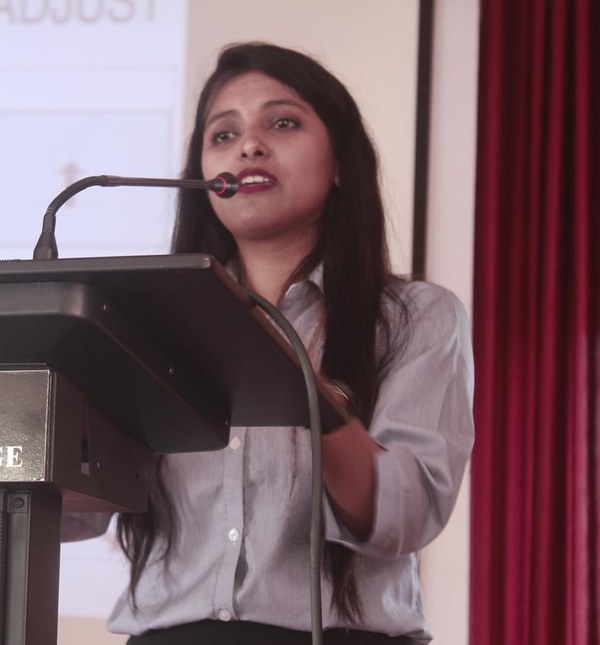
There is a reason Ritesh Agarwal of OYO, Ghazal Alagh of Mamaearth, Varun Alagh of Mamaearth, and Vineeta Singh of SUGAR Cosmetics are household names in India's startup ecosystem — and it is not just because their companies are large. Their personal brands preceded and accelerated their companies' growth. Founder-led marketing is not a vanity exercise. It is the highest-ROI marketing channel available to an early-stage Indian brand, and most founders are leaving it entirely on the table.
Why Founder-Led Marketing Works Differently in India
India is a relationship economy. Business trust is built person-to-person before it transfers to brand. When a potential customer — whether a D2C consumer, a B2B procurement manager, or an investor — encounters your brand, they instinctively want to know: who built this, do I trust them, do they understand my problem? A founder with a visible, credible personal brand answers all three questions before the first sales conversation happens.
This is doubly true in India's startup and SMB ecosystem, where the buyer pool is smaller, word-of-mouth travels faster, and trust signals have outsized impact on purchasing decisions. The personal brands of founders like Harsh Goenka, Deepinder Goyal, and Bhavish Aggarwal actively shape how their companies are perceived — by customers, media, and employees simultaneously.
What Founder-Led Marketing Actually Means (Practically)
Founder-led marketing is not just posting on LinkedIn or doing podcast interviews. It is a systematic approach to building trust, authority, and audience through consistent personal visibility. The three components:
1. Thought Leadership Content
Publishing your genuine perspective on the problems your customers face, the industry you operate in, and the work you do — consistently, across the platforms your customers use. The key word is genuine: recycled content and generic advice do not build personal brands. Specific, opinionated, experience-backed content does.
2. Active Community Participation
Being visibly present — not just broadcasting — in the communities your customers and peers inhabit. For a D2C founder: D2C Insider, Shark Tank India communities, Reddit India entrepreneur forums. For a B2B SaaS founder: SaaSBoomi, iSPIRT forums, LinkedIn startup conversations. Commenting with genuine value-adds (not promotional content) builds reputation faster than any amount of solo posting.
3. Earned Media and Speaking
Podcast appearances, press interviews, conference talks, and panel participations extend your reach to audiences that would never encounter your company's marketing. These are trust-multipliers: being invited to speak or be interviewed signals external validation that self-published content cannot provide.
Addressing the Common Objections Indian Founders Have
"I don't have time."
A founder-led marketing system requires 45–60 minutes per day: 20 minutes drafting one post from your day's work, 20 minutes engaging with comments and community posts, 20 minutes planning the next day's content. The founders who say they don't have time are typically spending 3–4 hours per week on cold outreach that converts at 1%, versus 45 minutes per day on personal brand content that converts at 5–15% through inbound.
"I'm not a good writer."
The most engaging personal brand content in India is not elegant prose — it is specific, honest, experience-backed observations. "We made ₹8L in our first month, then nothing for the next three. Here is exactly what went wrong and what we changed." This does not require writing skill. It requires honesty and specificity.
"It feels self-promotional."
The distinction between self-promotion and value-creation is simple: does your content primarily promote your business, or does it primarily help your audience? A post about your product is promotion. A post about what you learned from a failed campaign — which happens to mention your agency — is value creation. The former repels; the latter attracts.
How to Start Founder-Led Marketing Today
- Week 1: Optimise your LinkedIn profile as a landing page (not a CV). Write your first three posts — one on why you started your company, one on a mistake you made this week, one on the biggest misconception in your industry.
- Week 2–4: Publish 3–5 posts per week. Engage with 10 comments per day in your target community. Do not pitch. Do not self-promote. Just add value.
- Month 2–3: Apply to speak at one event in your industry. Pitch one podcast in your niche. Write one guest article for an industry publication.
- Month 4+: Review what content generated the most inbound DMs and profile views. Double down on that topic area. Add a second platform (Instagram Reels or YouTube) when LinkedIn is consistent.
Want a founder-led marketing strategy for your brand?
Book a Free Strategy Call →Frequently Asked Questions
Most founders see their first inbound enquiry — unsolicited, directly from content — within 30–60 days of consistent posting (5× per week). Meaningful pipeline contribution (where 20–30% of new business is content-attributed) typically develops within 4–6 months. The compounding effect means month 12 generates 5–10× more inbound than month 2 for the same posting frequency.
As yourself, especially at the early stage. Company pages on LinkedIn generate 5–10× less organic reach than personal profiles. Instagram business accounts get less reach than personal/creator accounts. Build the founder brand first; the company brand builds in the founder's wake. Switch company page focus to paid distribution rather than organic.
The highest-performing categories for Indian founder personal brand content: (1) specific lessons from your own business (numbers included); (2) contrarian takes on your industry; (3) behind-the-scenes of your company building; (4) mistakes you made and what you learned; (5) observations about your customers' problems. Avoid: generic motivational content, reposted news, and obvious self-promotion.